
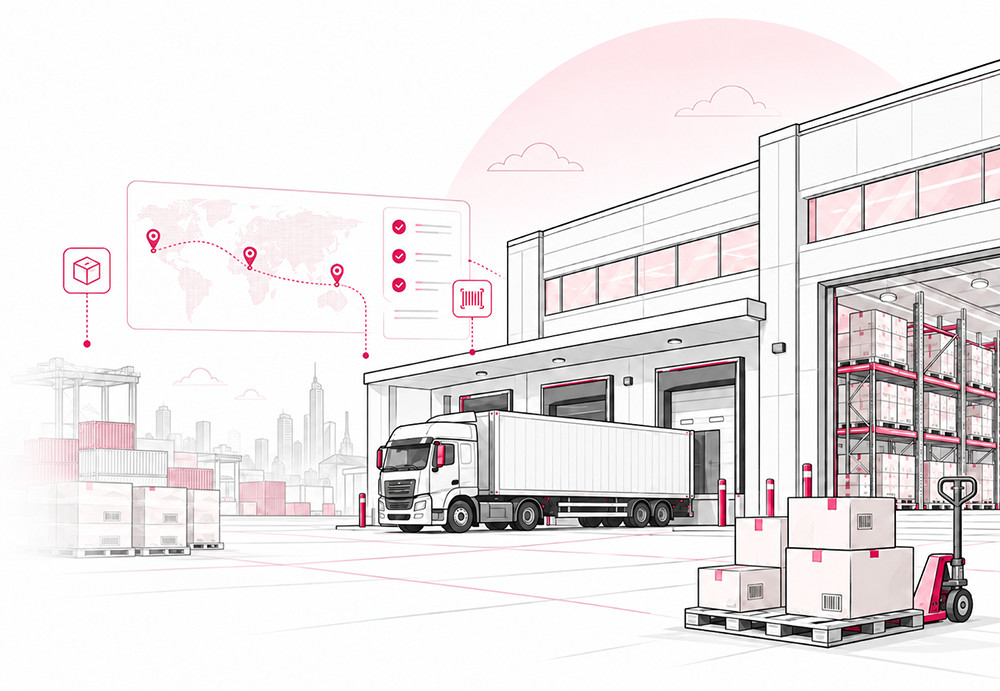
100+ Languages
Global coverage for logistics operations, partners, employees, and customers.
Logistics-Specialized Linguists
Professional translators matched to technical, operational, commercial, and safety content.
AI + Human Workflows
Translation models configured around content scale, purpose, quality requirements, and risk.
Enterprise Localization Technology
Translation memory, terminology management, APIs, automation, and continuous localization.
Multilingual Logistics Across the Entire Goods Journey
Modern logistics connects suppliers, warehouses, freight networks, customs processes, fulfillment centers, digital platforms, employees, partners, and customers. Stepes helps keep instructions, systems, documentation, terminology, and communications aligned from origin to final delivery.
At every stage, information has to move as reliably as the goods themselves—from operational instructions and software interfaces to shipment data, safety content, training, and customer communications.
Translation for Modern Logistics Operations
Every shipment passes through a network of people, processes, facilities, documents, and digital systems. Stepes helps multilingual logistics operations stay clear, consistent, and scalable.
Transportation Translation ServicesFreight & Forwarding
Translate freight documentation, shipment instructions, carrier communications, cargo information, partner content, and freight portals across multimodal logistics networks.
Warehousing & Distribution
Keep receiving, put-away, storage, picking, packing, inventory, safety, and distribution-center procedures clear across languages, facilities, and shifts.
3PL & 4PL Programs
Support multilingual client onboarding, operating playbooks, service documentation, partner portals, account communications, and coordinated logistics programs across regions, facilities, and providers.
Fulfillment Operations
Support fast-moving order processing, ecommerce fulfillment, packing, shipping, returns, and customer-specific handling workflows with consistent multilingual content.
Last-Mile & Reverse Logistics
Localize delivery instructions, tracking messages, shipment exceptions, pickup workflows, customer support, and reverse-logistics content where operations meet the customer experience.
Translation for Global Trade and Customs Workflows
Cross-border logistics depends on accurate information flowing between exporters, importers, freight forwarders, carriers, brokers, warehouses, customs authorities, and customers.
Customs & Import/Export
Freight & Shipping
Cross-Border Communications
Stepes provides the language support behind these processes while customers, brokers, carriers, and relevant authorities remain responsible for determining applicable trade, customs, and compliance requirements.
Localize the Technology That Runs Modern Logistics
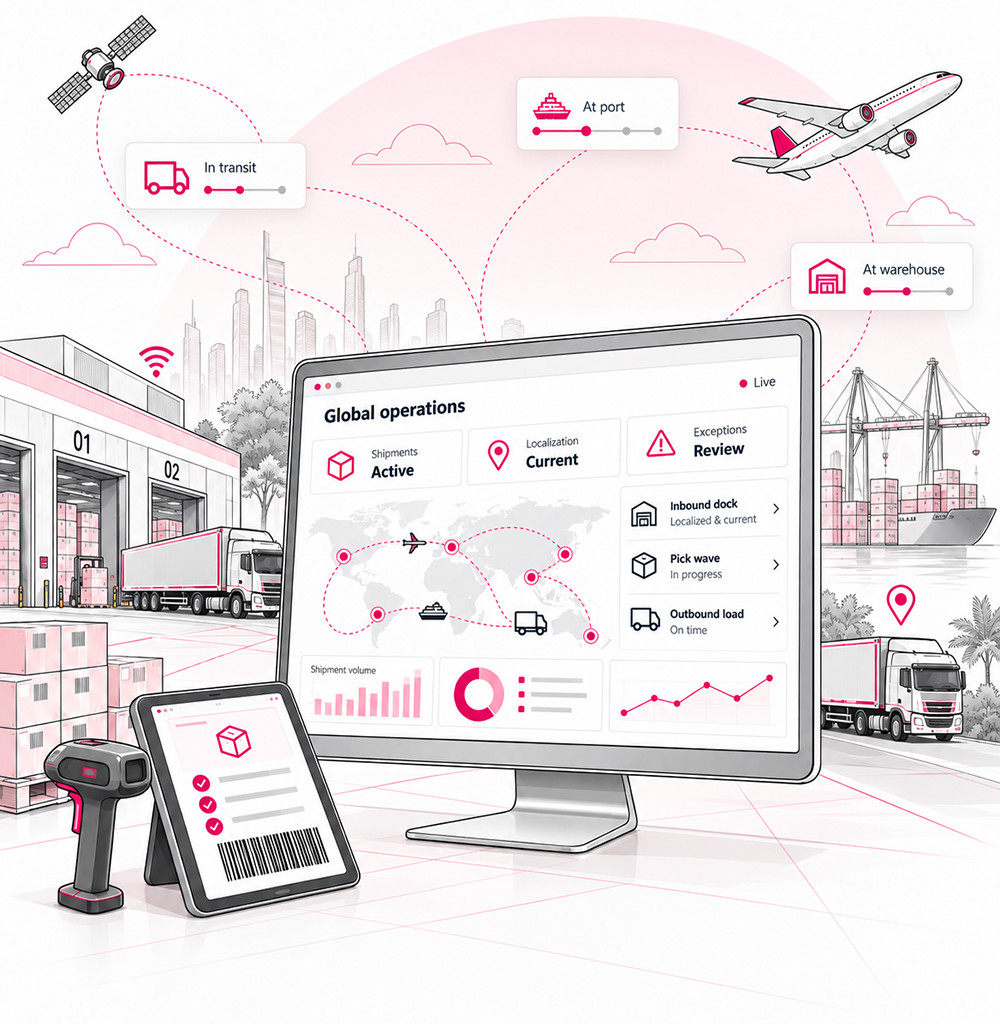
Warehouse workers use handheld apps and scanners. Freight teams work in transportation management systems. Managers use AI, analytics, visibility platforms, and control towers to coordinate increasingly connected operations. Customers follow shipments through portals and mobile apps. Stepes localizes the complete digital logistics experience.
Warehouse Management Systems
Localize WMS interfaces, warehouse dashboards, scanner experiences, inventory workflows, mobile warehouse apps, help content, and training.
Freight Transportation Management Systems (TMS)
Support shipment planning, carrier selection, load management, freight tendering, dispatch, routing, tracking, freight settlement, and carrier or customer portals.
AI, Analytics & Logistics Control Towers
Localize AI-assisted planning and analytics interfaces, predictive insights, ETA and status information, exception alerts, KPI dashboards, customer portals, partner portals, and real-time visibility experiences.
Order, Fulfillment & Trade Platforms
Localize order-management systems, fulfillment platforms, inventory applications, 3PL and 4PL portals, returns systems, customs interfaces, and trade-compliance workflows.
Translation for Automated Warehouses and Smart Logistics
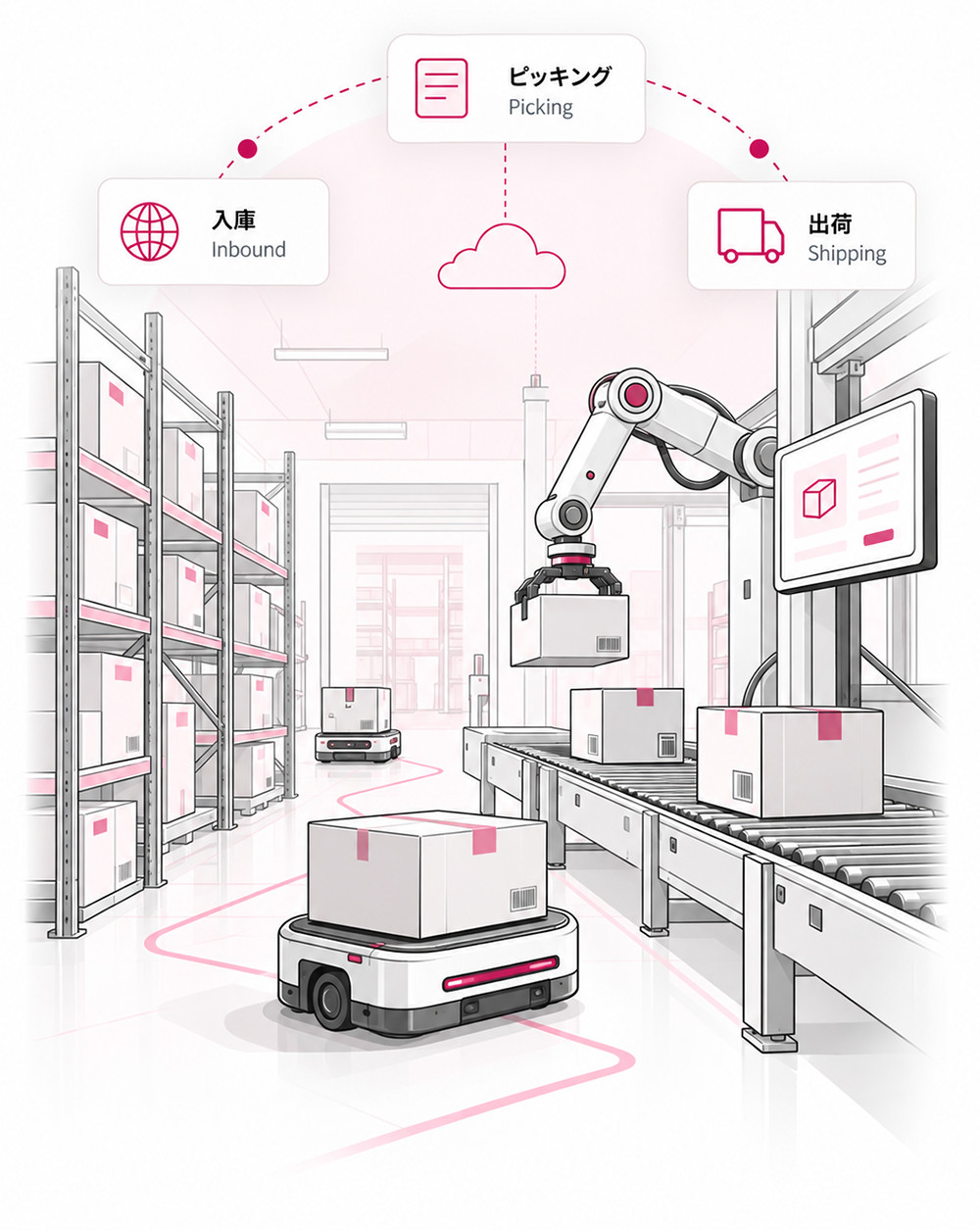
Warehouses and distribution centers increasingly combine robotics, sensors, machine vision, warehouse control systems, intelligent software, and human operators. Stepes helps keep these systems multilingual as they are deployed and operated across markets.
Warehouse Robotics
Autonomous mobile robots, AGVs, picking systems, palletizing, sortation, goods-to-person systems, fleet-management software, and robotic cells.
Automated Material Handling
Conveyors, automated storage and retrieval, packaging equipment, pallet handling, loading systems, sensors, and warehouse control systems.
Operator & Technician Content
HMIs, operator manuals, installation instructions, maintenance procedures, troubleshooting, warnings, technician content, and training.
Multilingual Logistics for Cross-Border Ecommerce
The global ecommerce experience does not end at checkout. Fulfillment, shipping, customs, tracking, delivery, and returns are all customer touchpoints. Stepes helps retailers, marketplaces, ecommerce brands, fulfillment providers, and logistics technology companies localize the content behind international delivery.
Shipping terminology should remain aligned with product pages, checkout, account areas, customer support, and returns experiences. Shared terminology and translation memory help connect logistics with the broader ecommerce customer journey.
Delivery Experience
Shipping options, delivery estimates, pickup instructions, delivery preferences, and failed-delivery messages.
Tracking & Notifications
Order confirmations, tracking pages, shipment updates, delivery alerts, and exception messaging.
Customs & Cross-Border
Customs information, international shipping instructions, customer guidance, and cross-border support.
Returns & Support
Return instructions, reverse-logistics content, customer support, help articles, and returns workflows.
Accurate Translation Where Logistics Language Carries Risk
Some logistics content influences how goods are packaged, stored, handled, loaded, moved, and delivered. Stepes configures translation workflows around subject matter, intended use, complexity, audience, and risk, combining specialized linguists with controlled terminology, review, translation memory, and quality assurance.
Dangerous Goods
Translate declarations, shipping documentation, handling instructions, warning labels, safety procedures, emergency information, and training with terminology controls and appropriate human oversight.
Cold-Chain Logistics
Support temperature requirements, storage procedures, packaging instructions, monitoring content, excursion procedures, distribution SOPs, and warehouse training.
High-Value & Specialized Cargo
Translate handling requirements, packing instructions, security processes, shipment-specific documentation, site coordination, and technical delivery content.
For regulated or specialized shipments, customers remain responsible for identifying applicable regulations, required document formats, classifications, and final compliance requirements.
One Logistics Vocabulary From Warehouse to Last Mile
The same logistics term may appear in a warehouse management system, operating procedure, handheld scanner, shipping label, shipment record, training course, carrier portal, and customer notification. Central language assets help prevent terminology from drifting between them.
Govern logistics processes, product names, SKUs, shipment statuses, packaging, locations, equipment, carrier language, abbreviations, and company-specific process names.
Reuse previously approved translations where content and context remain applicable across revisions, facilities, markets, and releases.
Give logistics, operations, IT, training, customer experience, and regional teams access to the same approved multilingual vocabulary.
Logistics Documents and Content We Translate
Logistics organizations generate far more multilingual content than traditional shipping documents. Stepes supports operational, technical, digital, training, customer-facing, and commercial content throughout the logistics ecosystem.
Shipping & Freight Documents
- Bills of lading
- Air waybills
- Freight bills
- Cargo manifests
- Packing lists
- Shipping instructions
Customs & Trade Documents
- Commercial invoices
- Certificates of origin
- Customs declarations
- Import/export files
- Brokerage documentation
- Certificates
Warehouse & Distribution
- SOPs
- Work instructions
- Warehouse manuals
- Inventory procedures
- Safety materials
- Signs and labels
Software & Digital Content
- WMS/TMS interfaces
- Mobile apps
- Tracking platforms
- Control towers
- Customer portals
- API-driven content
Training & Multimedia
- Employee onboarding
- Safety training
- eLearning
- Instructional video
- Subtitles
- Voice-over
Customer & Partner Communications
- Tracking notifications
- Delivery messages
- Shipment exceptions
- Returns content
- Customer support
- Partner instructions
The Right Translation Workflow for Every Logistics Content Type
A dangerous-goods instruction, warehouse SOP, WMS software release, tracking notification, customer help article, and routine operational status message do not carry the same business risk or quality requirements. Stepes configures the workflow around the content rather than forcing every project into one model.
Professional Human Translation
Professional linguists lead translation when technical judgment, audience expectations, safety, or business risk call for human-first expertise.
- Safety-critical documentation
- Specialized technical content
- Dangerous-goods materials
- Complex trade documentation
AI Translation + Human Review
AI accelerates suitable high-volume content while professional linguists review meaning, terminology, fluency, consistency, and project requirements.
- Operating procedures
- Training
- Software
- Knowledge bases
AI-Enabled Translation
For appropriate high-volume content, combine AI, terminology, translation memory, automated checks, and targeted validation to improve multilingual availability.
- Routine operational content
- Knowledge content
- Status information
- Selected support content
AI where scale matters. Professional expertise where judgment matters. One logistics program can use different translation workflows for different content types while sharing the same terminology and approved language assets.
A Translation Workflow Built for Global Logistics
Successful logistics localization connects content, terminology, people, technology, review, and delivery into one repeatable process.
Understand
Confirm content, audience, languages, complexity, risk, formats, and timing.
Prepare
Apply terminology, translation memory, product language, references, and instructions.
Configure
Select the appropriate human, AI, hybrid, engineering, review, and QA model.
Translate
Process documents, software, structured content, training, multimedia, and logistics data.
Review
Route content to professional linguists, specialists, or customer reviewers as required.
Validate
Check completeness, terminology, numbers, tags, formatting, layout, and file integrity.
Deliver
Return production-ready multilingual content in the agreed format or workflow.
Reuse
Feed approved content back into language assets for future releases and updates.
Logistics Never Stops. Neither Should Localization.
Warehouses change processes. Carrier networks evolve. Software releases continue. Routes open. Products and SKUs are added. Training is updated. New markets come online. Stepes helps logistics teams keep multilingual content synchronized as operations evolve.
Reuse Approved Translations
Translation memory helps recurring content begin with validated language instead of starting from zero.
Keep Terminology Controlled
Central terminology keeps logistics language aligned across software, documents, training, partners, and customer touchpoints.
Connect Content Through APIs
Integrate translation with digital platforms and recurring workflows to reduce manual file exchange.
Support Continuous Updates
Build repeatable localization for software, documentation, knowledge bases, ecommerce logistics, and training.
Localization Engineering for Logistics Systems and Content
Logistics content exists in software, structured data, technical documents, training systems, mobile applications, graphics, dashboards, videos, spreadsheets, publishing files, and customer platforms. Stepes combines translation with localization engineering and multilingual production so translated content can return in a usable format.
Documents & Business Content
Word, Excel, PowerPoint, PDF, publishing files, complex tables, forms, manuals, and SOPs.
Software & Structured Content
XML, JSON, XLIFF, HTML, CSV, resource files, software strings, protected variables, and structured data.
Mobile & Handheld Experiences
Warehouse mobile apps, scanners, driver and courier apps, tracking applications, inventory tools, and field workflows.
Training & Multimedia
LMS and eLearning content, SCORM packages, assessments, training video, subtitles, captions, voice-over, and interactive learning.
Logistics Translation in 100+ Languages
Global logistics networks connect warehouses, freight hubs, suppliers, carriers, employees, partners, and customers across languages and regions. Stepes provides professional logistics translation services in 100+ languages for established and emerging markets worldwide.
Europe
Spanish, French, German, Italian, Dutch, Polish, Czech, Romanian, Swedish, Danish, Norwegian, Finnish, Greek, Hungarian and more
Asia-Pacific
Chinese, Japanese, Korean, Vietnamese, Thai, Indonesian, Malay, Hindi, Tagalog and more
Middle East & Africa
Arabic, Hebrew, Turkish and additional regional languages
Americas
English, Spanish, Portuguese, French Canadian and other language combinations serving North and South American markets
Quality That Keeps Logistics Moving
Logistics language needs to work in context—whether an employee is following a warehouse procedure, a freight team is processing a shipment, a customer is reading a delivery notice, or a technician is responding to an equipment alert.
Subject-Matter Expertise
Match professional translators and reviewers to language pair, logistics subject matter, content type, complexity, and audience.
Controlled Terminology
Keep process names, equipment, shipment statuses, software labels, products, abbreviations, and specialized logistics terms aligned.
Translation Memory
Reuse approved multilingual content where context and requirements align, reducing repeated work across releases and facilities.
Automated Quality Checks
Identify potential issues involving completeness, terminology, numbers, variables, tags, formatting, and other measurable criteria.
Professional Review
Apply linguistic or specialist review according to the content's visibility, complexity, risk, and program requirements.
In-Context & Production QA
Review software, formatted documents, multimedia, and final assets in the context where users will experience them.
Built for Global Logistics Teams
Modern logistics localization has to connect warehouses, digital platforms, freight operations, trade documentation, training, automation, employees, partners, and customers without losing terminology or context between them.
Logistics & Technical Expertise
Specialized language support for freight, warehousing, automation, software, safety, training, and commercial content.
AI + Professional Human Expertise
Flexible workflows matched to content purpose, scale, quality expectations, confidentiality, and risk.
One Multilingual Terminology System
Align logistics vocabulary across warehouse systems, documentation, training, customer communications, and releases.
Digital Logistics Localization
Support WMS, TMS, control towers, freight platforms, mobile apps, portals, and tracking experiences.
Continuous Translation
Keep frequently changing software, documentation, training, knowledge, and digital logistics content current.
Enterprise Scale
Support one urgent shipping document, a multilingual warehouse rollout, or an ongoing global logistics program.
Multilingual Logistics for Real-World Operations
Every logistics organization has a different content mix. Stepes can configure language workflows around individual projects, site launches, software releases, or ongoing enterprise programs.
Global Warehouse Rollout
Standardize SOPs, work instructions, WMS content, safety materials, signage, onboarding, and employee training across facilities while keeping warehouse terminology aligned.
Cross-Border Ecommerce Expansion
Connect shipping, tracking, customs, delivery, returns, and support language with the broader ecommerce customer experience across new markets.
Logistics Software Release
Combine terminology, translation memory, software localization, professional review, QA, and recurring updates for WMS, TMS, freight, visibility, or fulfillment platforms.
Global Freight Documentation Program
Maintain recurring shipping, customs, operational, customer, and partner documentation across regions with centralized terminology and reusable approved language.
Logistics Translation Services FAQ
Answers to common questions about logistics documents, digital platforms, AI workflows, terminology, specialized content, and ongoing multilingual programs.
Logistics translation services translate and localize the operational, technical, digital, commercial, training, safety, trade, and customer-facing content used to move, store, manage, track, fulfill, and deliver goods across languages and markets. This can include freight documentation, warehouse procedures, customs content, WMS and TMS software, training, tracking messages, and customer communications.
Stepes translates bills of lading, air waybills, freight bills, packing lists, commercial invoices, certificates of origin, customs documents, consignment notes, cargo documentation, warehouse SOPs, work instructions, safety materials, training content, shipping instructions, and related operational documentation.
Logistics translation focuses primarily on the operational coordination of goods across freight, warehousing, fulfillment, customs, distribution, tracking, last-mile delivery, and returns. Transportation translation focuses more broadly on the systems and modes used to move people and goods, including rail, aviation, road and fleet operations, maritime transportation, equipment, maintenance, infrastructure, safety, and passenger experiences.
Logistics is primarily concerned with executing the movement, storage, fulfillment, and delivery of goods. Supply-chain management extends further across sourcing, procurement, supplier management, planning, manufacturing networks, inventory strategy, supplier risk, resilience, and strategic network management.
Yes. Stepes localizes warehouse management systems, transportation management systems, freight-management applications, order-management platforms, inventory systems, logistics control towers, tracking systems, mobile apps, carrier portals, customer portals, and related help, documentation, and training.
Yes. Stepes can connect translation workflows with digital platforms and recurring content pipelines through APIs, automation, translation memory, terminology management, and continuous localization. These workflows are especially useful for logistics software, tracking content, knowledge bases, ecommerce logistics, and other frequently changing multilingual content.
Yes. Stepes supports translation of dangerous-goods documentation, handling instructions, safety procedures, warnings, labels, training, emergency information, and related logistics content. Workflows can include specialized linguists, controlled terminology, professional review, and project-specific QA. Customers remain responsible for determining applicable regulations, classifications, prescribed documentation, and final compliance requirements.
Yes. Stepes translates technical documentation, operator instructions, software interfaces, HMIs, maintenance procedures, safety materials, training, and support content for warehouse automation and logistics robotics.
Yes. Stepes supports professional human translation, AI translation with professional human review, and AI-enabled workflows for appropriate content. The best approach depends on subject matter, audience, content volume, quality requirements, confidentiality, intended use, and business risk.
Stepes can maintain client-specific glossaries, terminology databases, translation memory, style instructions, and approved translations across projects. These language assets help keep terminology consistent across warehouse software, freight documents, SOPs, training, customer communications, and future updates.
Stepes provides logistics translation services in 100+ languages, including Spanish, French, German, Chinese, Japanese, Korean, Portuguese, Italian, Dutch, Polish, Arabic, Vietnamese, Thai, Indonesian, Turkish, and many others.
Yes. Stepes supports both individual projects and ongoing multilingual logistics programs. Enterprise workflows can combine professional linguists, AI-enabled translation, translation memory, terminology management, APIs, workflow automation, review, QA, and recurring localization across facilities, systems, business units, and markets.
Keep Your Global Logistics Moving in Every Language
From warehouse operations and freight documentation to logistics platforms, customs workflows, training, automation, and customer communications, Stepes helps global logistics teams deliver accurate multilingual content wherever their networks operate.